Chevittorma Review: Dileesh Pothan on a Deathbed
Leo Thaddeus's Malayalam drama, which premiered at Busan, gets 3.5 stars from The Indian Express for Dileesh Pothan and Pauly Valsan's restrained acting.
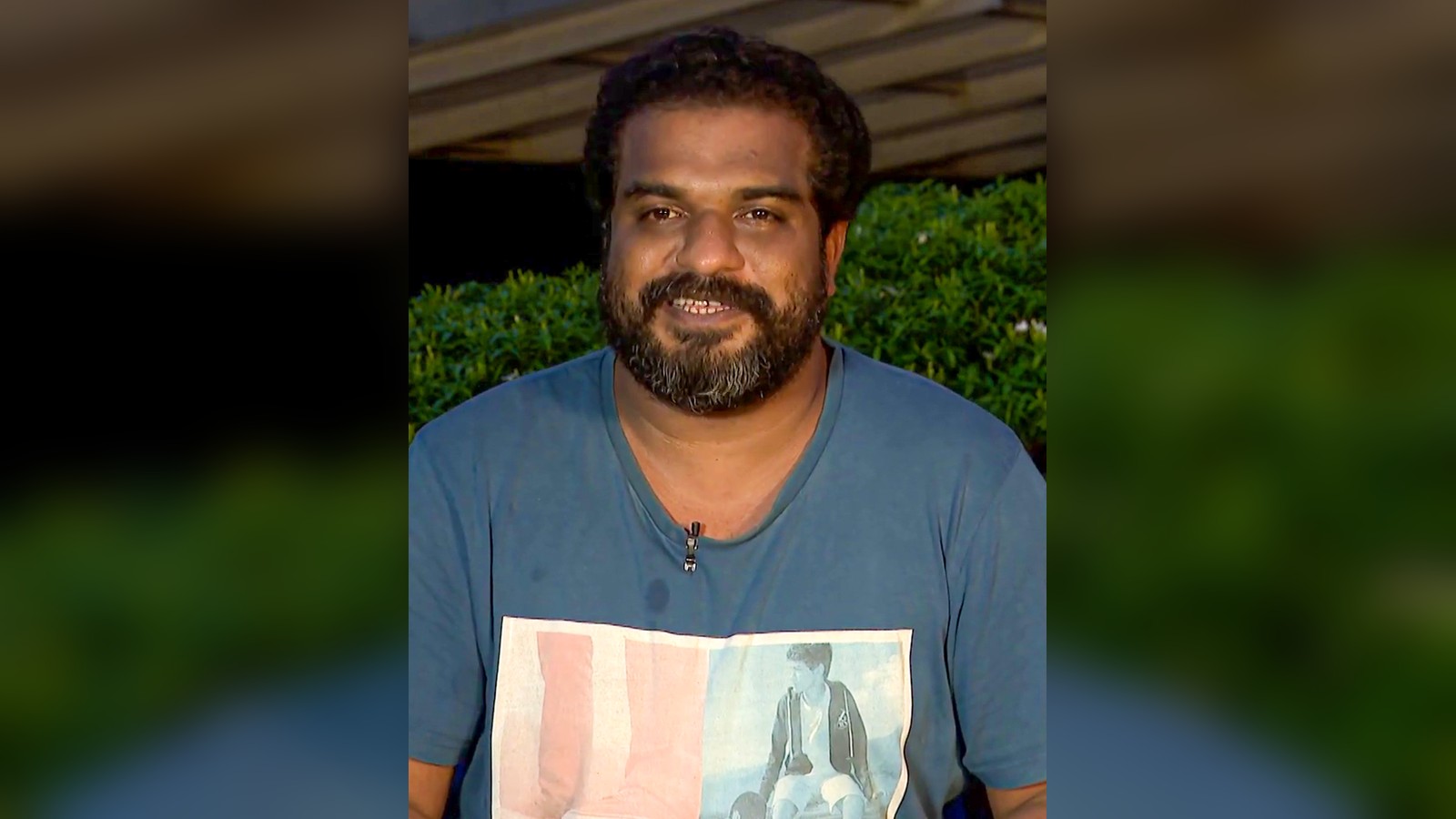
Chevittorma, a Malayalam drama that premiered at the 31st Busan International Film Festival, has drawn a warm review from The Indian Express. Critic Anandu Suresh gives it 3.5 stars and calls it a haunting, atmospheric drama on generational trauma, led by Dileesh Pothan and Pauly Valsan.
The film
Writer-director Leo Thaddeus sets the story in a hilly part of Kerala. Pauly Valsan plays Theresia, a woman known locally for whispering prayers to the dying so that they pass peacefully. Dileesh Pothan plays Varkey, a powerful landlord who is gravely ill and will neither admit his sins nor let go. The cast also includes Jeo Baby, George Kora and Haritha Parokod. The English title is The Soul Whisperer.
What the review said
Suresh describes the film as an understated drama in which conflicts play out without direct confrontation. It follows Varkey's son George, who has not visited in almost a decade and still resents how his mother was ignored on her deathbed. The review reads the film as a story of men unwilling to let go of their egos, and of how abusive parenting passes down through families.
He compares it with older Malayalam films built around deathbed gatherings, including Aalkkoottathil Thaniye, Pappan Priyappetta Pappan and Swantham Lekhakan. He says those mostly follow the people around the dying person, while this film follows the dying man's own emotional journey.
On the acting, he calls it a face-off of restrained performances. He says Pothan conveys Varkey's hidden emotions even through his breathing, while confined to a bed, and that he uses nothing from his earlier bedridden role in Oru Durooha Saahacharyathil (2026). He writes that Valsan's scenes of Theresia enjoying small pleasures add depth.
He also praises Swaroop Sobha Sankar's cinematography, Carlo Francisco Manatad's editing, which lets a shot linger after characters leave the frame, and a sparse score by the Iranian composer Milad Movahedi.
Why it matters
The review rests on two actors working in restraint, with one of them confined to a bed for the whole film.
What we could not confirm
We found one full review, from The Indian Express, so the verdict is one critic's. We did not find an Indian theatrical or streaming release date, or any box office figures, and we have not seen the film. The review does not say which Busan section it played in.
Sources
*Cover photo: Asianet, Wikimedia Commons, *[*https://commons.wikimedia.org/wiki/File:Dileesh_Pothan_2019.jpg*](https://commons.wikimedia.org/wiki/File:Dileesh_Pothan_2019.jpg)* (CC BY 3.0).*